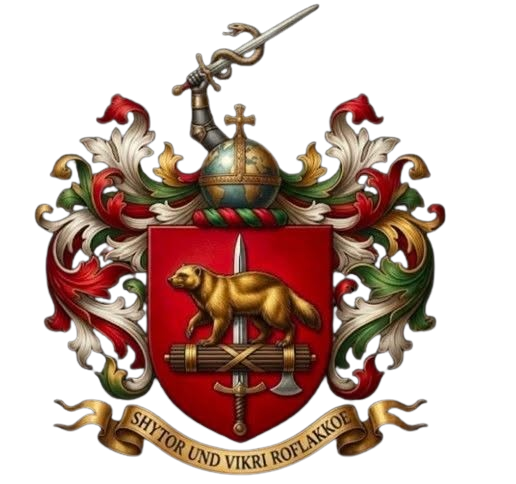
The Architecture of the Republic
The Sovereign Blueprint: Faith, Culture, and Shared Governance
Established in 2012, the Suquelish Republic is a living cultural model a sovereign diaspora uniting decentralized infrastructure with ancient-rooted tradition. By weaving heritage, identity, and spiritual commitment into a single framework, we operate not merely as an organization, but as a self-governing people dedicated to collective purpose and active service.
Governance and The Christic Citadel
At our foundation lies the Christic Citadel, the ecclesiastical and administrative heartbeat of our community. We reject top-down control in favor of shared, sacred responsibility, anchored in a distributed, fractal hierarchy that keeps authority alive in the hands of the people:
The World Congress: Our supreme legislative body, charting universal policies and establishing sovereign Districts.
Districts: Administrative provinces that adapt our framework to regional realities while staying aligned with the World Congress.
Tribes: The foundational cells of our society, operating local hubs for mutual aid, shared culture, and connection.
Camps: Emerging outposts sponsored by established Tribes, driving the outer edges of our growth.
The Path to Citizenship and Ministry
Citizenship in the Suquelish Republic is a living commitment to growth and stewardship. Because leadership is shared by all, every adult citizen is trained and ordained as a minister of the Christic Citadel, equipped to sustain and protect our infrastructure both within our borders and out in the wider world.
Entry and Baptism: The journey begins at the Citadel. Through study and integration, members make a deliberate declaration of intent.
Ordination and Citizenship: Following baptism, initiates master the history, language, and administrative rites of the Republic, earning full ordination, citizenship, and standing.
Youth Leadership and Mentorship: We actively prepare the next generation to hold the torch. Youth are integrated early through proactive mentorship.
Youth Ministry: Children receive a youth baptism at age seven, stepping into roles as youth ministers.
Initiatives: Guided by mentors, youth lead vital pillars of community life, including study circles and cultural events.
Community Outreach: Young ministers engage with the broader world, sharing our educational values with peers.
Transition to Adulthood: At eighteen, youth choose their path stepping forward into adult baptism and full sovereign citizenship.
Our Sacred Geography
Though our people span the globe, our roots run deep into physical coordinates anchors that bind our digital diaspora to tangible history across Idaho and beyond:
The Cradle of the Republic (412 E. 48th St. #23 Garden City, ID): Where the vision was drawn, the flag was born, and our foundational language took shape.
The Patriarchal Childhood Home (841 N. 9th St. Coeur d’Alene, ID): Preserving the earliest roots of our leadership.
The Site of Spiritual Awakening (1700 E. Pennsylvania Ave, Coeur d’Alene, ID): The historic landmark of our foundational spiritual path.
The Culinary Birthplace (95 Milwaukee Rd, Avery, ID): Where our first official National Dish was crafted to honor our traditions.
The First Sanctuary of the Flag (2703 Muskrat Ave, Nampa, ID): Marking the first soaring display of our emblem, "Kingdoms Glory".
The First International Suquelish Cultural Event (1030 Jefferson St, Coos Bay, OR): The historic ground of our inaugural Music and Arts Festival.
Sacramental Economics and Distributed Mutualism
Our economy runs on trust, not speculation. Through distributed mutualism, resources serve to fortify the community rather than enrich intermediaries:
Mutual Aid Housing: Tribe-managed assets securing stable homes for our people outside traditional real estate markets.
Integrated Care Systems: Dedicated internal networks and welfare funds supporting the physical and mental well-being of our citizens.
Autonomous Education: Lifelong academies managed by Tribes, focusing on cooperative economics, language, history, and the arts.
Community Festivals & The Open Gate
The Suquelish Republic is a living, celebrating culture. Our public festivals invite neighbors, seekers, and friends to experience our heritage, music, and traditions firsthand.
We offer more than an idea we offer a proven blueprint for how human community, economy, and identity can thrive through shared purpose and sovereign cooperation. Step through the gate, explore our mission, and make your voice part of the Republic's living story.
Governance and The Christic Citadel
At our foundation lies the Christic Citadel, the ecclesiastical and administrative heartbeat of our community. We reject top-down control in favor of shared, sacred responsibility, anchored in a distributed, fractal hierarchy that keeps authority alive in the hands of the people:
The World Congress: Our supreme legislative body, charting universal policies and establishing sovereign Districts.
Districts: Administrative provinces that adapt our framework to regional realities while staying aligned with the World Congress.
Tribes: The foundational cells of our society, operating local hubs for mutual aid, shared culture, and connection.
Camps: Emerging outposts sponsored by established Tribes, driving the outer edges of our growth.
The Path to Citizenship and Ministry
Citizenship in the Suquelish Republic is a living commitment to growth and stewardship. Because leadership is shared by all, every adult citizen is trained and ordained as a minister of the Christic Citadel, equipped to sustain and protect our infrastructure both within our borders and out in the wider world.
Entry and Baptism: The journey begins at the Citadel. Through study and integration, members make a deliberate declaration of intent.
Ordination and Citizenship: Following baptism, initiates master the history, language, and administrative rites of the Republic, earning full ordination, citizenship, and standing.
Youth Leadership and Mentorship: We actively prepare the next generation to hold the torch. Youth are integrated early through proactive mentorship.
Youth Ministry: Children receive a youth baptism at age seven, stepping into roles as youth ministers.
Initiatives: Guided by mentors, youth lead vital pillars of community life, including study circles and cultural events.
Community Outreach: Young ministers engage with the broader world, sharing our educational values with peers.
Transition to Adulthood: At eighteen, youth choose their path stepping forward into adult baptism and full sovereign citizenship.
Our Sacred Geography
Though our people span the globe, our roots run deep into physical coordinates anchors that bind our digital diaspora to tangible history across Idaho and beyond:
The Cradle of the Republic (412 E. 48th St. #23 Garden City, ID): Where the vision was drawn, the flag was born, and our foundational language took shape.
The Patriarchal Childhood Home (841 N. 9th St. Coeur d’Alene, ID): Preserving the earliest roots of our leadership.
The Site of Spiritual Awakening (1700 E. Pennsylvania Ave, Coeur d’Alene, ID): The historic landmark of our foundational spiritual path.
The Culinary Birthplace (95 Milwaukee Rd, Avery, ID): Where our first official National Dish was crafted to honor our traditions.
The First Sanctuary of the Flag (2703 Muskrat Ave, Nampa, ID): Marking the first soaring display of our emblem, "Kingdoms Glory".
The First International Suquelish Cultural Event (1030 Jefferson St, Coos Bay, OR): The historic ground of our inaugural Music and Arts Festival.
Sacramental Economics and Distributed Mutualism
Our economy runs on trust, not speculation. Through distributed mutualism, resources serve to fortify the community rather than enrich intermediaries:
Mutual Aid Housing: Tribe-managed assets securing stable homes for our people outside traditional real estate markets.
Integrated Care Systems: Dedicated internal networks and welfare funds supporting the physical and mental well-being of our citizens.
Autonomous Education: Lifelong academies managed by Tribes, focusing on cooperative economics, language, history, and the arts.
Community Festivals & The Open Gate
The Suquelish Republic is a living, celebrating culture. Our public festivals invite neighbors, seekers, and friends to experience our heritage, music, and traditions firsthand.
We offer more than an idea we offer a proven blueprint for how human community, economy, and identity can thrive through shared purpose and sovereign cooperation. Step through the gate, explore our mission, and make your voice part of the Republic's living story.